
Research Round-Up
Your Healing Starts Within, Not in a Pill

Groundbreaking Study Reveals:
The Future of Medicine Exists in What We Think – Not What We Take
A Research Team at UC San Diego have just announced revolutionary findings with the publication of their paper titled “Neural and Molecular Changes During a Mind-Body Reconceptualization, Meditation, and Open Label Placebo Healing Intervention” in the scientific journal Communications Biology.
The landmark study demonstrates how intensive meditation can trigger the same profound brain activity previously documented only with psychedelic substances – while simultaneously activating measurable biological transformations throughout the entire body.
The published findings suggest that in just seven days, without any pharmaceutical intervention, participants achieved what researchers are calling a “biological reset.”
Science is finally catching up to what sages (and FNTP’s) have always known - all the tools you need to heal reside within you, not a pill.
#innatewisdom #youarethemedicine #ntaaustralia
Long Term Impact of Medications on the Gut Microbiome
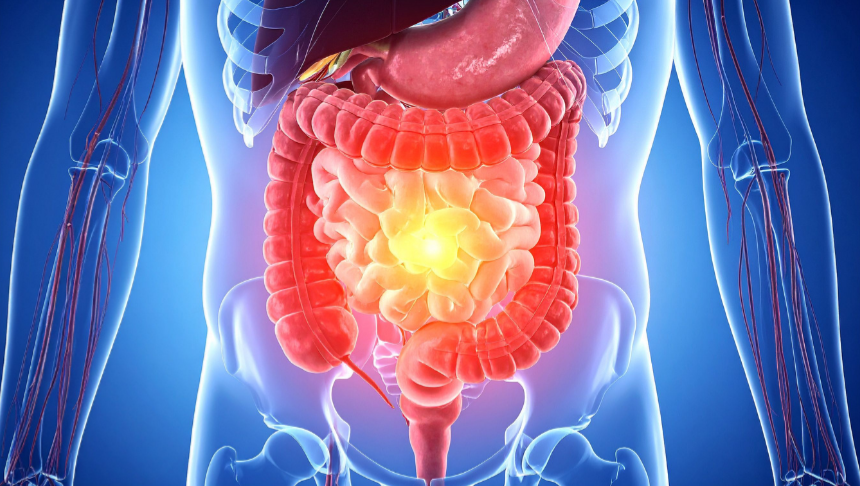
Hot off the press!
For the first time, researchers have systematically assessed the impact of long-term medication use on the gut microbiome.
This 2025 retrospective study, "A hidden confounder for microbiome studies: medications used years before sample collection," found that multiple medicines affected the gut microbiome for many years after use.
Typically, we think of antibiotics as the primary medication that alters the gut ecosystem in the long term. However, this study found that beta-blockers, benzodiazepine derivatives, glucocorticoids, PPIs, biguanides (metformin is the most widely prescribed drug in this class), and antidepressants affected the gut microbiome for several years after discontinuing use. And for many of them, the effects at the microbiome level are additive.
Overall, of the 186 drugs analyzed, 167 were found to be associated with the microbiome—affecting alpha diversity, beta diversity, or the abundance of at least one bacterial species—and 78 of those exhibited long-term effects on the gut.
Of note, benzodiazepines—nervous system depressants commonly prescribed for anxiety—impact the microbiome even more than several broad-spectrum antibiotics. The impacts of benzodiazepines and broad-spectrum antibiotics were detectable even when the drugs had not been used for over three years prior to microbiome sampling.
You also might like to read:
The gut remembers: the long-lasting effect of medication use on the gut microbiome
Reanalysis of Popular Antidepressant Trial Uncovers Reporting Flaws

Once in a while, the findings of a particular study make such a big impact in the medical industry that it influences recommendations for many years to come. One notable example is the Treatment for Adolescents with Depression Study (TADS), which was published in 2004
More than two decades after TADS was published and shaped how doctors prescribe fluoxetine (Prozac) to teens, investigative journalist Maryanne Demasi, Ph.D., has sounded the alarm regarding new evidence showing that the original findings dramatically underreported serious adverse events.
In a study published in the International Journal of Risk & Safety in Medicine, researchers uncovered major flaws in TADS. This was a large, publicly funded study that shaped prescribing habits for fluoxetine, making it the default first-line treatment for adolescents diagnosed with major depressive disorder. TADS included 439 adolescents aged 12 to 17, all diagnosed with major depressive disorder.
Findings included:
Adverse events were abundant — The reanalysis noted that 369 adverse events occurred for 171 participants, and 66% of those occurred in the fluoxetine group.
These weren’t limited to suicide-related episodes.
The team found hospitalization for chest pain, severe mood swings, and cognitive disturbances, among others.
Some were documented clearly in case report forms but never made it into the official journal articles. Others were downgraded in severity or simply not included because they didn’t meet arbitrary thresholds set by the original researchers.
Data was manipulated to make the findings look good — The reanalysis also exposed how fluoxetine’s risks were obscured through statistical tactics. In the original trial, multiple comparisons were made between groups without correcting for how that inflates the chance of false positives.
Complete disclosure is required for the public’s safety — The study called for full access to clinical trial data moving forward, emphasizing that hidden harms in TADS were not accidental but preventable. The team concluded that if the original TADS data had been reported accurately and honestly, fluoxetine would never have become the go-to antidepressant for adolescents.
As summarized by the team’s closing words:
“Our reanalysis confirms the original reported findings that superiority over placebo was not demonstrated for fluoxetine. Contrary to original TADS Team’s reporting, we have uncovered a higher, clinically significant level of harm, including 11 additional suicide-related adverse events.”
Full Article can be read here:
The latest health research news from around the world, compiled by Lead Instructor and Program Director Leanne Scott, FNTP.
