Lymphatic Drainage: The Ancient Practice We’ve All Forgotten
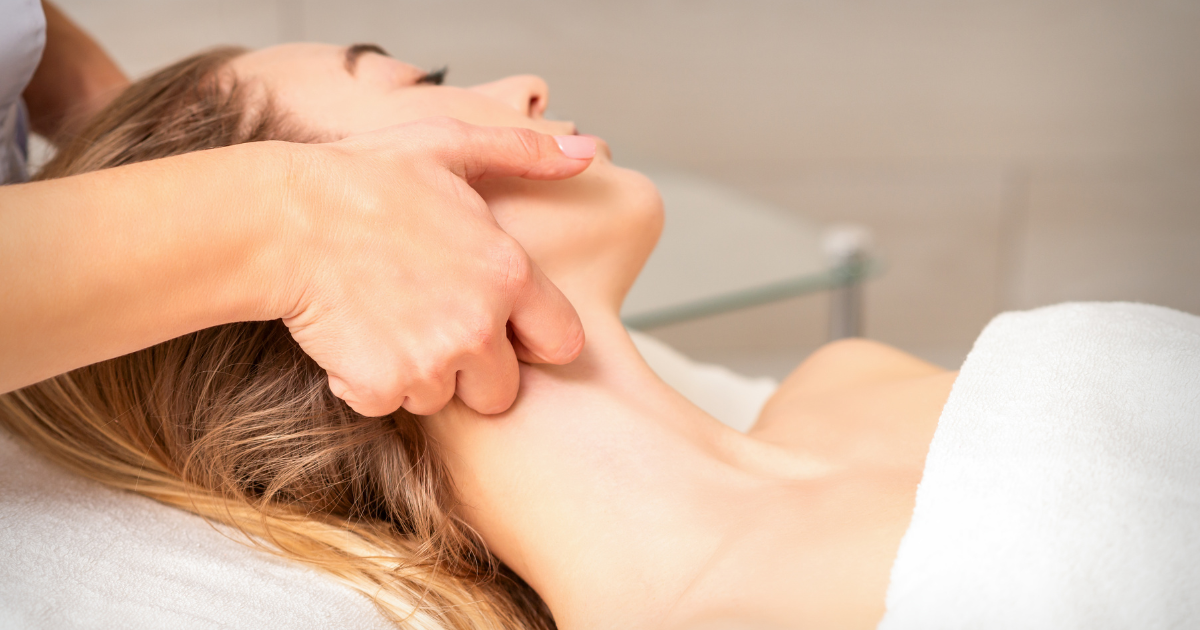
Let’s talk about something a little overlooked but so fundamental to feeling vibrant and clear-headed: your lymphatic system.
What is Lymph?
It’s a network of vessels and nodes (kinda like your veins) – that silently works in the background of your body, moving fluids, flushing toxins, and basically keeping you from feeling like a bloated, foggy mess.
Most of us forget it exists until we feel sluggish, puffy, or just can’t shake the brain fog.
But here’s the thing, lymphatic drainage isn’t new.
It’s an ancient practice and getting it moving can make a world of difference.
Why is it important?
Your lymphatic system is like your body’s built-in detox squad. Unlike blood, it doesn’t have a pump (no heart pushing it along), so it relies on movement and certain rituals to circulate. If lymph stagnates, your body struggles to remove metabolic waste, inflammatory molecules, and excess fluid. This stagnation can also mean hormones like estrogen, cortisol, and progesterone can get “stuck” in the tissues instead of being properly filtered and eliminated. Over time, this can throw your hormonal balance out of whack, contributing to mood swings, fatigue, bloating, and even skin issues.
Keeping your lymph flowing helps your brain think clearly, your hormones stay balanced, and your body feel light and energised.
So, let’s break down what actually helps your lymphatic system.
#1 - Movement is Medicine for Lymph

You don’t need to run a marathon, but specific movements can seriously wake up your lymphatic system. A 10-minute morning lymphatic flow routine like bouncing / hops, body waves and dead arm swings can stimulate lymph flow. These moves create that subtle “pump” your lymphatic vessels crave. Targeted exercises like shoulder rolls, neck stretches, and deep diaphragmatic breathing are especially powerful because they hit the nodes around your armpits and collarbones which are major traffic hubs for lymph drainage.
#2 - Hydration is Non-Negotiable
Your lymph is mostly water. When you’re dehydrated it’s like trying to drive a truck through molasses. Aim for consistent hydration throughout the day.
Electrolytes or a mineral-rich drink can help, but plain, clean water is the go.
#3 - Food as a Flow Booster
Think anti-inflammatory foods: leafy greens, red foods (beetroots, cherries, pomegranate), bitter foods (rocket, lemon, apple cider vinegar), healthy fats, and lean protein. Foods rich in antioxidants help reduce lymphatic congestion and inflammation, which is important because when your lymph isn’t moving, inflammation builds up, and so does that fuzzy brain feeling we all hate.
#4 - Sweat it Out!
Sauna sessions or gentle cardio increase circulation and promote lymph movement through heat and perspiration. Even a 20-minute sweat can help your body shed toxins and reset your system. The combination of heat, movement, and hydration is like a mini lymphatic reboot.
#5 - Hands-on magic: lymphatic drainage massage.
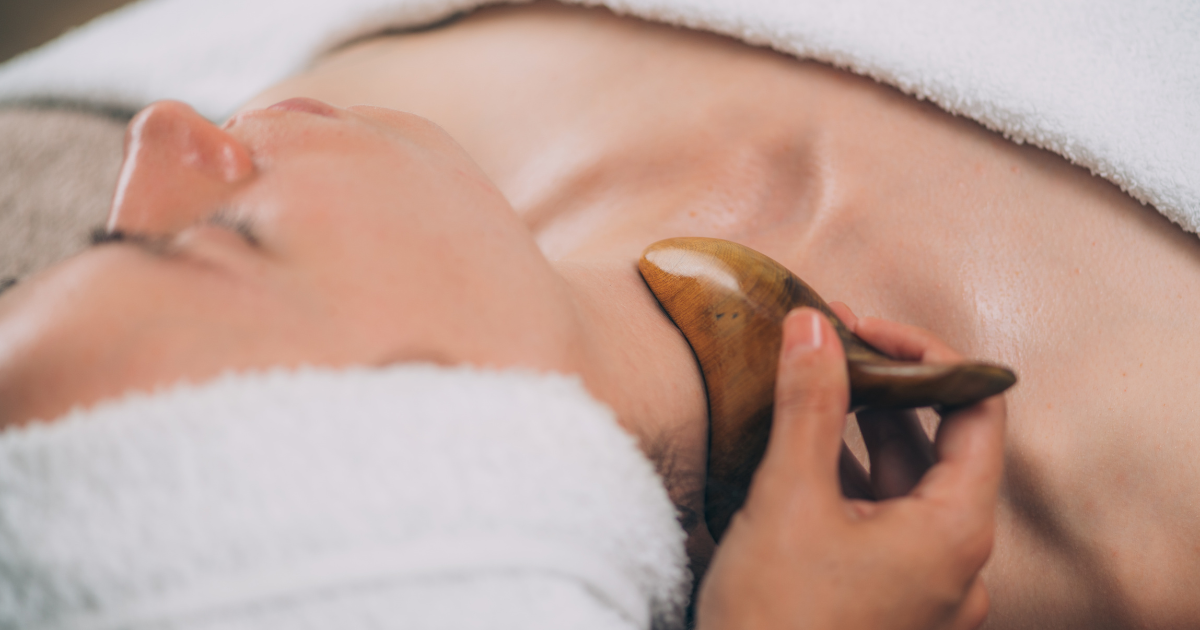
If you want to get really specific, lymphatic drainage massage is next-level good. This technique uses light, rhythmic strokes to stimulate the flow of lymph from tissues toward the nodes.
Done consistently, it reduces fluid retention, eases puffiness, and can even help with immune function. Bonus: it feels like self-care heaven.
Lymph is easy to overlook because we don’t know much about it, but incorporating these techniques means your body will operate MUCH more efficiently. It’s all about moving fluid, flushing toxins, and keeping hormones circulating properly.
An important side note though – lymph needs nutrients.
Your lymphatic system can only flow effectively if your body is nourished. Support can include bioavailable iron and vitamin C from organic beef spleen, liver, and acerola cherry, supporting healthy blood, energy, and oxygen transport – all essential for your lymphatic system to work effectively.
So, if you’ve been feeling a little off, sluggish, or puffy, don’t ignore the quiet hero of your body, the lymphatic system. Move, hydrate, nourish, sweat, and maybe book that massage.
Your brain, body, and even your mood will thank you.